

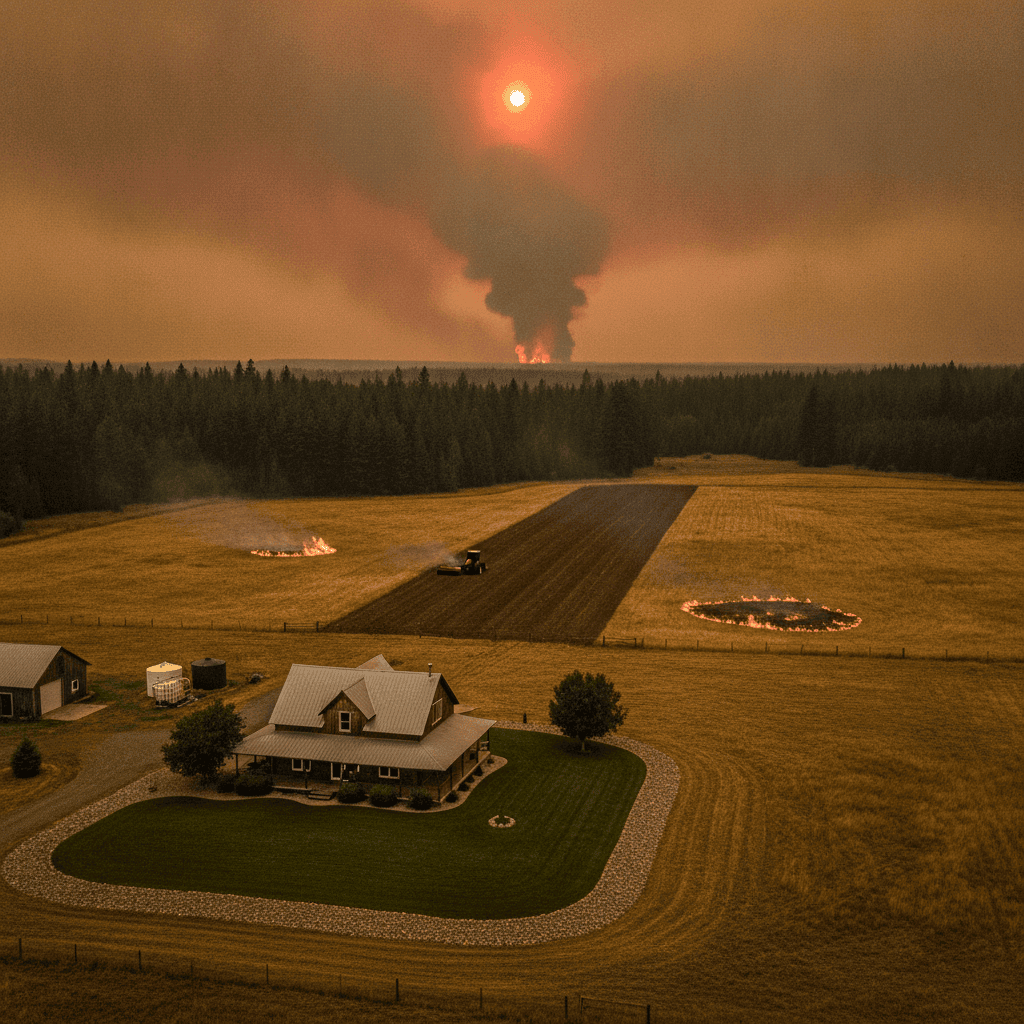
Living in a rural property offers a unique sense of peace and connection with nature. I know the feeling of wide open spaces and the quiet that comes with being away from city life. But this idyllic setting also comes with serious responsibilities and dangers. One of the biggest threats we face today is the increasing risk of wildfires. It is something that has weighed on my mind and on the minds of many of my neighbors who share this lifestyle.
Wildfires can spread at an alarming rate making them extremely dangerous. They do not discriminate between forests and homes. This means we must be proactive. We cannot wait for fire season to be upon us before we start thinking about safeguarding our properties. I believe that being informed and prepared is our best defense against these natural disasters.
I want to help you understand the dangers and give you practical steps to protect your home and loved ones. We need to work together and individually to build resilient rural communities. This guide provides actionable advice covering everything from creating defensible space to preparing an evacuation plan. It will help make sure your rural property stands a better chance against wildfire threats.
Understanding the Growing Wildfire Risk to Countryside Homes
Wildfire season seems to be getting longer and more intense each year. I have seen firsthand how quickly conditions can change. Climate patterns contribute to drier landscapes and hotter temperatures. These factors create an environment where fires ignite easily and spread with incredible speed.
For rural property owners this situation means living with an elevated risk. Our homes often border wildlands or are surrounded by natural vegetation. This vegetation acts as fuel for fires. We are living in what experts call the wildland urban interface or WUI. It is a beautiful but vulnerable place to be. I often think about how much we cherish our quiet surroundings but also how quickly they can turn into a danger zone.
The danger is not just about direct flames touching a structure. Most homes ignite from embers carried by the wind. These embers can travel miles ahead of the actual fire front. They can land on roofs in gutters or enter through vents. So it is not enough to just clear brush nearby. We must consider every aspect of our property. This includes the smallest cracks and openings.
Factors Contributing to Increased Wildfire Risk
Several factors combine to heighten the wildfire risk in rural settings. One significant element is the presence of abundant dry vegetation. Think of forests grasslands and shrublands. These areas become incredibly flammable after prolonged dry spells. Many rural properties are situated directly within or adjacent to these fuel sources. I have seen fields turn brown in a matter of weeks.
Another factor is limited access for emergency services. Rural roads can be narrow winding or unpaved. This makes it difficult for large fire trucks to reach homes quickly. Water sources may also be scarce. This poses a challenge for firefighters. The remote nature of rural properties means help takes longer to arrive. This puts more responsibility on property owners for initial prevention and response.
Wind patterns also play a critical role in wildfire spread. Strong winds can push flames rapidly across vast distances. They can also carry embers far from the main fire. This means homes far from the actual fire line are still at risk. Understanding local wind patterns can help us plan our defensible space more effectively. It helps us anticipate where embers might land. I always pay attention to the wind during dry periods.
Creating a Defensible Space Around Your Property
Defensible space is one of the most effective strategies for protecting a rural property from wildfire. It is not just about clearing everything away. It is about strategically managing vegetation and other flammable materials around your home. This creates a buffer zone. This space reduces the intensity of a wildfire. It also gives firefighters a safer area to work from.
I learned that a well-maintained defensible space significantly increases a home’s chance of surviving a wildfire. It gives us a sense of control over a situation that often feels uncontrollable. This work requires ongoing effort but it is incredibly rewarding. I see it as an investment in the safety and longevity of my home. It also protects the natural beauty I value so much.
When you create defensible space you are not just safeguarding your own property. You are also helping protect your neighbors and the wider community. A strong defensible space on one property reduces the overall fuel load in an area. This makes it easier for firefighters to contain a blaze. It is a community effort. We all benefit when everyone takes this seriously.
Zones of Protection for Your Rural Property
Defensible space is typically divided into three distinct zones. Each zone has specific recommendations for vegetation management. The first is the **Immediate Zone**. This area extends 0 to 5 feet from your home. This zone should be free of anything flammable. Think about it as your home’s personal fire-free bubble. I remove all combustible materials here. This includes dead leaves pine needles and firewood. I also ensure there are no combustible plants or mulch directly next to the house. This zone is critical because it prevents flames from directly reaching your structure. This first five feet is so important because it is your last line of defense.
The second area is the **Intermediate Zone**. This covers 5 to 30 feet from the house. In this zone, I focus on reducing fuel and breaking up continuous vegetation. This means thinning out trees and shrubs. I remove lower branches on trees. This stops fire from climbing into the canopy. I space plants so fire cannot easily jump from one to another. It is about creating gaps. I replace highly flammable plants with more fire-resistant species here. The goal is to slow down a fire and reduce flame length. This makes it easier for firefighters to protect your home. It can also help stop embers from igniting new fires close to your structure.
The third area is the **Extended Zone**. This extends from 30 to 100 feet or to your property line if it is closer. Here, I aim to minimize fire spread and reduce the intensity of a fire burning through. This involves clearing out heavy accumulations of dead and dry vegetation. I thin out dense stands of trees. This creates space between tree crowns. It is less intensively managed than the other zones but still crucial. This zone helps keep a wildfire from rapidly approaching your home. It reduces the radiant heat that can damage structures. These layers of protection make a real difference for rural wildfire protection methods and significantly improve survivability.
Hardening Your Home Against Ember Attack
As I mentioned before embers are a primary cause of home ignition during a wildfire. They can fly through the air and land on any part of your house. So, simply clearing vegetation is not enough. We also need to harden our homes structurally. This means making sure your house itself can resist ignition from these tiny fiery projectiles. I look at my home from a fire’s perspective. I think about where an ember could land and cause a problem. This preventative work provides a lot of peace of mind.
Many of the necessary upgrades are not overly complex or expensive. Small changes can make a big difference. For example, replacing or covering vulnerable vents is a simple step. Sealing gaps in siding or around windows also helps. These actions create a more resilient structure. It is about building a shield against the most common threat. I know this sounds like a lot of work, but breaking it down into manageable tasks helps.
I always emphasize that structural hardening works best when combined with a good defensible space. One without the other leaves your property vulnerable. They are two sides of the same coin. This dual approach provides the most robust protection. It is a comprehensive strategy for keeping your home safe.
Key Exterior Features to Upgrade for Wildfire Safety
When hardening your home I recommend focusing on several key areas. The roof is often the most vulnerable part of a house. Embers love to land on roofs especially if they are made of flammable materials like wood shakes. I make sure my roof is made of fire-resistant materials such as tile metal or composition shingles. I also regularly clear gutters and the roof surface of any debris like leaves and pine needles. These can easily ignite.
Vents are another critical entry point for embers. These small openings allow air into your attic and crawl spaces. However they can also let in embers. I replace standard vents with fine mesh screening no larger than 1/8 inch. This keeps embers out while allowing air circulation. I check these screens often to make sure they are intact and clear of blockages.
Windows can be a weak spot as well. Single pane windows or those with large unprotected glass areas can crack or break from radiant heat. This allows embers to enter the home. I consider upgrading to dual-pane tempered glass windows. These offer much better resistance. I also ensure there are no combustible materials directly under windows. These could ignite and break the glass. Siding materials also matter. Fiber cement stucco or metal siding are much more fire-resistant than vinyl or wood siding.
Developing an Emergency Evacuation Plan
Having a strong structure and a clear defensible space are crucial. But the most important part of wildfire safety is ensuring the safety of people. This means having a detailed emergency evacuation plan. I have a plan for my own family. It gives us clear steps to follow when a wildfire threatens. I do not want to be making decisions under extreme pressure. So planning ahead is essential.
An effective evacuation plan needs to be practiced regularly. It is like a fire drill for your home. Everyone in the household needs to know what to do. They need to know where to go. This includes children and any guests. I make sure my family understands the routes and meeting points. We talk about it often. This reduces panic during a real emergency. This preparation helps keep everyone calm and focused when minutes count.
I always emphasize that you should evacuate early if advised to do so. Do not wait until the last minute. Fire conditions can change rapidly. Roads can become blocked. Visibility can decrease dramatically. Leaving early gives you the best chance of getting to safety. It also allows emergency services to focus on fighting the fire. They do not have to worry about evacuations.
Essential Components of Your Evacuation Plan
Every good evacuation plan starts with clearly defined routes. I identify at least two different routes away from my property. One primary route and an alternate one. This is in case the first route becomes blocked. I make sure these routes are clear and passable. I also consider which roads are best for traffic flow during an evacuation. Knowing these paths helps avoid confusion and delays.
Next I establish a safe meeting point outside the immediate danger area. This could be a friend’s house in a nearby town or a designated public shelter. It is important to have a specific spot where everyone knows to go. This helps account for all family members. I carry a list of emergency contacts including neighbors and local authorities. This information is easily accessible. I also keep a copy in my emergency kit.
A “Go Bag” or emergency kit is another vital component. I keep one ready for each family member and for my pets. These bags contain essential items for at least three days. This includes water non-perishable food first-aid supplies medications and important documents. I also pack a change of clothes and toiletries. A battery-powered radio and a flashlight are also in my bag. Having these ready means we can grab them and go without wasting precious time gathering items. It is about being prepared for the unexpected and staying safe.
Ongoing Maintenance and Community Involvement
Wildfire protection is not a one-time project. It is an ongoing commitment. I know from experience that maintaining defensible space and keeping your home hardened requires regular effort. Nature constantly changes. Trees grow. Leaves fall. Grass dries out. So, our protection efforts must also be continuous. It is a year-round job but one that is absolutely vital for rural property owners.
I consider this maintenance part of my routine property care. Just like I trim my hedges or check my roof for leaks, I also monitor my wildfire readiness. This approach makes the task feel less daunting. Small consistent actions prevent larger overwhelming jobs later on. This steady effort ensures my property remains resilient season after season. It prevents small issues from becoming big problems when fire season arrives.
Community involvement is another powerful layer of defense. I believe in working with my neighbors. We can share knowledge. We can pool resources. We can even help each other with clearing projects. A strong community network makes everyone safer. When we all prepare together the collective risk for the entire area decreases. It shows that we are all in this together.
Seasonal Maintenance Tips for Wildfire Preparedness
Different times of the year call for specific actions to maintain wildfire safety. In the spring I focus on clearing away winter debris. This includes dead leaves and branches that accumulated over the colder months. I prune trees and shrubs. I remove any growth that is too close to the house. I also inspect my gutters. I clear them of any flammable material. This is a good time to check on my Go Bags too.
During the dry summer months vigilance becomes even more critical. I mow my lawn regularly. I keep the grass short and green if possible. I irrigate plants in the immediate and intermediate zones. This helps keep them from drying out and becoming fuel. I also inspect my property for any new hazards. This includes piles of dead vegetation or firewood stored too close to the house. I make sure outdoor equipment like ATVs are well-maintained. This prevents sparks. I am always extra careful when using any tools that could cause an ignition.
In the fall I prepare for the next season. I clear all fallen leaves and needles from my roof and gutters. I check my vents and screens for damage. I make any necessary repairs to my home’s exterior. This includes sealing any new gaps. This period is also ideal for larger thinning projects. This work improves the overall health of the landscape. It further reduces fuel loads. These consistent steps ensure my home is as safe as it can be.
Protecting Your Rural Property is an Ongoing Commitment
As I have shared with you today protecting your rural property from wildfire threats is a serious and ongoing effort. It truly is about understanding the risks. It involves creating a defensible space around your home. You must harden your home against ember attacks. You also need to develop and practice a detailed emergency evacuation plan. This comprehensive approach gives you and your family the best possible chance of safety. I believe that being prepared is not just about avoiding disaster. It is also about preserving the lifestyle we cherish in our rural communities.
The changing climate means we can expect more frequent and intense fire seasons. This reality demands our constant attention and dedication. We cannot afford to be complacent. Each step you take to reduce your property’s vulnerability makes a real difference. It contributes to the safety of your home your family and your neighbors. I urge you to take these suggestions seriously.
Start today by assessing your property. Make a plan. Begin with the immediate zone around your home. Even small changes can have a big impact. Talk to your neighbors. Work together to make your entire community more fire-resilient. Your proactive efforts are a powerful investment in your future and the future of your property. Let us work together to make our rural homes and communities safe havens.